Give each place a larger share of the trip
Start by choosing what you want a day to feel like. A slow holiday might include breakfast without a deadline, a short outing, lunch and a return to a familiar neighbourhood. It can still contain museums, trains and exciting activities. The useful change is allowing them enough space so the next reservation does not dictate every decision.
Compare a week with one base against a week with three. Write down the packing, checkout, luggage storage and onward journeys in both versions. Those tasks occupy time even when the transport itself is quick. If your favourite part of travel is wandering and noticing everyday life, keeping more of the week in one place gives that interest room.
| Choice | Practical advantage | Check before committing |
|---|---|---|
| One base for a week | Less packing and more familiar routines | Nearby meals, room layout and transport |
| One main outing per day | Room for rest and changed plans | Reservation time and a nearby alternative |
| City Hotel LjubljanaCompare City Hotel Ljubljana rooms | A central Ljubljana room option | Party size, breakfast and cancellation conditions |
| voco Budapest D8Compare voco Budapest D8 rooms | A Budapest base near the Danube | Room type and total for the exact stay |
| One optional day trip | Variety while keeping a familiar base | Return journey and everyone’s energy |
Build familiarity instead of a longer checklist
Returning to the same neighbourhood helps you learn which bakery fits your breakfast, where to buy snacks and which walk you enjoy in the evening. You can try a place again after a rushed first visit or return at a different time of day. These small choices are useful when a trip initially feels unfamiliar.
Leave one open period each day. Use it for a conversation, a park, or simply resting before dinner. If bad weather interrupts the plan, move an outdoor activity rather than filling every hour with replacements. Slower travel gives you flexibility because fewer bookings depend on one another, although popular attractions may still need reservations made ahead of time.
Protect the routines that help your family
With young children, plan around the routine you already know: meals, naps, early evenings and time to play. Put one main activity before or after the usual rest period, then keep a nearby alternative for days when energy runs low. Returning to the same room makes it easier to organise clothes, snacks and familiar bedtime things.
Ask about sleeping arrangements before booking. A room that technically accepts your party may still be awkward if everyone must go quiet at the same hour. Check cot requests, access with a pushchair, breakfast arrangements and whether there is somewhere convenient to sit nearby. Let older children choose one recurring activity, such as a park visit or selecting tomorrow’s breakfast.
Choose a base for ordinary days
A useful base has things you will use repeatedly within a manageable walk: food shops, simple meals, green space and transport for occasional outings. Choose those practical details before counting the number of headline sights. If every relaxed day begins with a complicated journey, the accommodation is working against the pace you want.
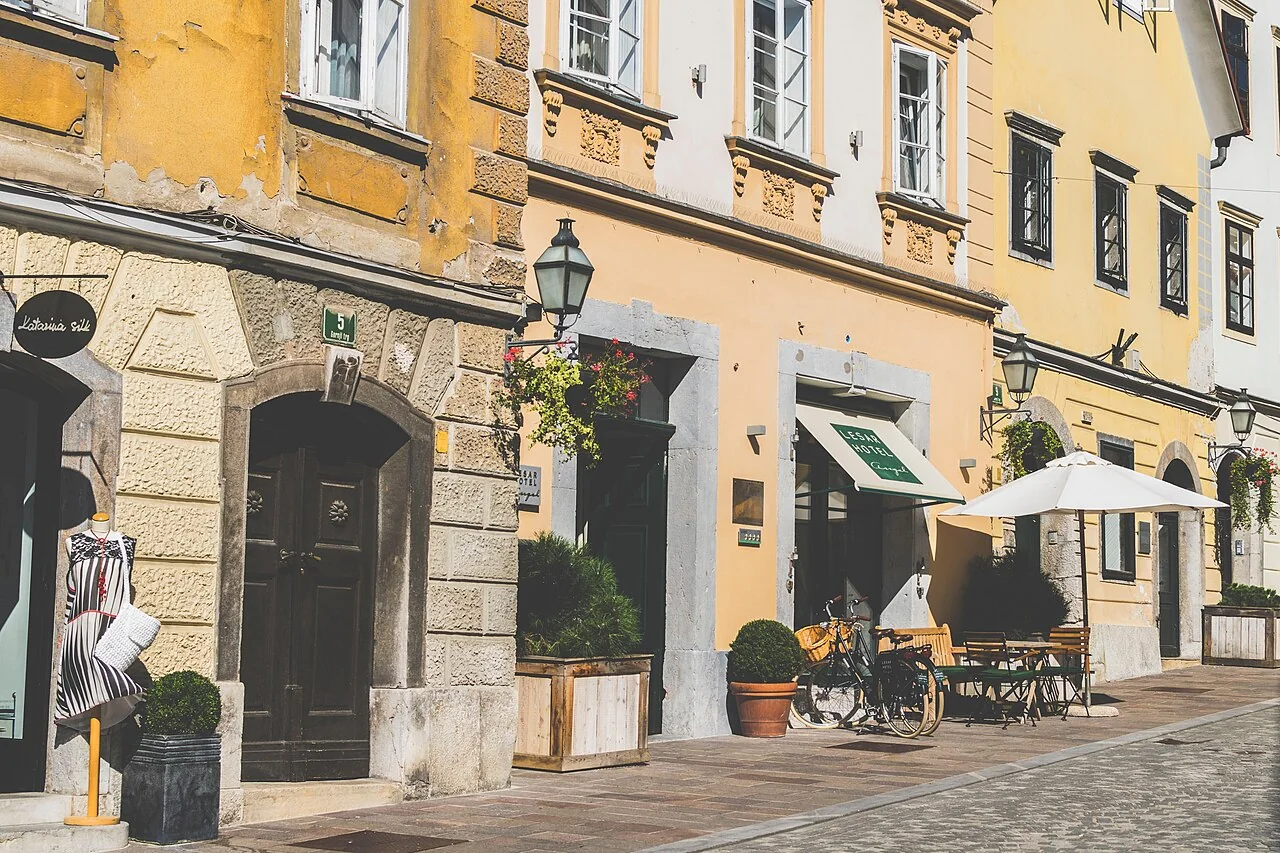
Ljubljana is one example to consider for riverside walks and time in Tivoli Park. City Hotel Ljubljana is a central hotel option to compare for your exact party. Budapest offers another city base; voco Budapest D8 is near the Danube and Vigadó Square. These are room choices for independent trips. Check room layouts and the actual stay total before deciding which city suits you.
Give a week a simple, flexible shape
For a seven-night stay, use the arrival day to settle in and find dinner. On the next day, take a short orientation walk. Place a museum or other booked activity on day three, keep day four open, and consider one day trip later in the week only if everyone wants it. Repeat something enjoyable before leaving.
This pattern leaves room for laundry, quiet mornings and a changed mind. If you prefer two bases, give each several nights and make the transfer day light. Avoid booking an important evening activity after that journey. A slow itinerary is still an itinerary: knowing where you will sleep and how you will reach the next base gives the unplanned hours a useful framework.
Spend on convenience where it helps the pace
Fewer moves can remove some transport and luggage costs, but a longer stay does not automatically produce a discount. Compare the full accommodation total, meals, local travel and the outings you actually want. Paying more for a suitable central room may be worthwhile if it makes rests and simple evenings possible.
Keep a small list of priorities rather than a catalogue of things you should see. Book an essential timed attraction, then leave the surrounding day loose. If you want a break from screens, download the practical information first and agree when to check it. Review the pace halfway through the trip: add an outing if you feel restless, or remove one if the family needs a quieter day.
Good questions, clear answers.
Does slow travel require a month away?
No. A weekend can be slower if you stay in one place and choose fewer activities. For a week, one base with flexible days is a useful starting point.
Is slow travel cheaper?
It can reduce the number of transfers, but the total depends on accommodation, meals, and activities. Compare actual totals; do not assume a long-stay discount.
How does slow travel help families?
A repeated base and lighter daily plans make it easier to protect meals, naps and bedtime. Choose accommodation that supports those routines rather than relying only on a central map pin.
Can I still visit major attractions?
Yes. Reserve the attractions you care about, then leave space around them. Slow travel is about the pace and number of commitments you choose.
Compare a base for a longer city stay
Check rooms for your exact dates and party size, with attention to layout and everyday convenience.